
Search


Get new blog posts by email!

Blog Index
The journal that this archive was targeting has been deleted. Please update your configuration.
Navigation

Wednesday
May152013

A lot can happen in a year

I've come a long way, baby!  New Leaf Wellness has been in business for a year now.  I could have never imagined where the past 365 days would take me.  

First and foremost, I see myself as a psychologist, wellness coach, and facilitator of local mom support groups, but I've been working my butt off to share content on this blog too.  

Here's a look back at my five favorite blog posts from the past year.   

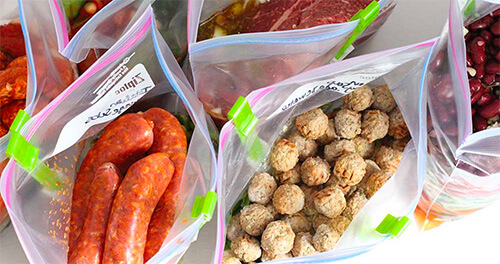
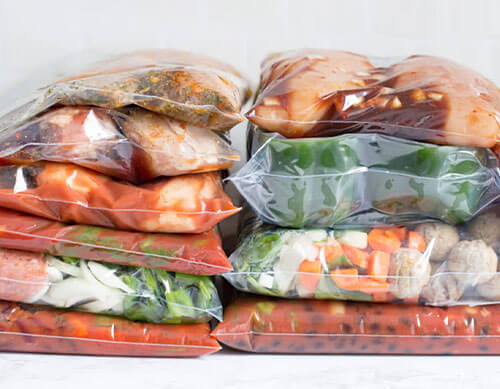
1. Freezer meal 101 - I've been freezing meals for years now, but I really got into freezer meals before my second daughter Isla was born.  Freezing quick, healthy, and simple meals continues to be an important part of how I make homemade dinners for my family six nights a week.  In this blog post I teach you everything you need to know to do the same.      

2. How to buy nursing bras online - This was a really fun "experiment" where I compared an online virtual bra fitting to shopping for nursing bras in a store.  I've struggled to find the right nursing bras in the past, but not anymore!  This is a must-read for nursing moms and moms-to-be. 

3. Solve your problems with positive thinking - My true passion will always be helping moms improve their health and happiness, with an emphasis on the mental side of feeling balanced as a busy mom.  (There's a reason why I finished my Master's and Ph.D. in social psychology.  I simply love learning about how people think.)  This blog post is focused on one of the techniques that I use with my private coaching clients to help them stay motivated and excited to work toward their goals.  It also includes inside info about how I manage to be such a happy, optimistic mom.  

4. How to stop time - Everyone tells moms to enjoy their children because, "they grow up too fast."  Here's a look into how I work to enjoy my daughters in the here and now.  

5. Find perfection in imperfection - I just love this mindset.  Start interpreting your "imperfections" as strengths instead of weaknesses.  This blog post will tell you how!

Thank you for all of your support over the past year.  I'm looking foward to many more to come!

-----------------

PS I'm putting the finishing touches on my new healthy slow cooker cookbook.  I can't wait to share it with you!

Wednesday
May082013

Home canning for beginners

Have you ever considered home canning?  Here's everything you need to know to get started!

I'm a canning newbie and - with two toddlers at home - I don't have a lot of time.  

As a busy mom, this is everything you need know to give canning a try.  

Researching the supplies needed for canning can be overwhelming and appear to be very expensive so let me break it down for you. 

Doing some home canning will let you take advantage of produce when it's in season and serve it to your family year-round.  Plus you'll save money!  Little glass jars of homemade jams and pickles also make great gifts.  

If that's not enough motivation, do it to impress your family and friends.  Just don't tell them how easy it was or how I broke it down for you in this blog post.  Let them think you're Martha Stewart's hot granddaughter who knows how to run on a treadmill, play with her baby, and can at the same time. 

That's what I would do.    

The first time I attempted canning, I did not want to invest a lot of money into supplies.  I bought the very basic necessities and everything worked out just fine.  If you want to start with the basics, here's what you'll need...    

Basic Canning Supplies

  • food to can
  • jars 
  • one or two dish towels
  • one or two big pots with lids (to boil your jars in a single layer)
  • one medium-sized pot (to boil your lids)
  • a magnetic wand to pick up hot lids
  • a pair of large tongs to pick up hot jars
  • a small rubber spatula to remove air bubbles 
  • a wide-mouth funnel (optional, but very helpful)

I got my funnel, magnetic wand, and tongs in this basic canning kit from Amazon for $10.50.  

I also bought this book of recipes and canning instructions.  

My original plan was to try to can the basics...strawberry jam, apple butter, pickles, tomato sauce, and salsa.  The Ball book includes recipes for other foods that I never even thought of canning too - peaches in syrup, apple pie filling, apple juice, relish, barbecue sauce, and more.  I'm going to have a lot of fun canning this summer! 

I bought glass jars (with new lids and screw bands) at my local grocery store when I bought the ingredients for my canning recipe. You can reuse your jars and screw bands over and over again, but you will need to buy new lids everytime because their seal can only be used once.  (Think of it like a thin sticker that "melts" during the canning process and adheres to the glass jar.)  

Overall, my first attempt with canning was pretty cheap.  My canning kit + book + glass jars cost less than $35 total.  You can skip the book if you want, and just follow these steps that I picked up from it.  

Basic Canning Instructions

1. Clean your jars, lids, and screw bands.

Wash your jars, lids, and screw bands in hot soapy water.  Set your screw bands aside.  (The "screw bands" are the hollow circles used to screw the lids onto your jars.)  

2. Heat your jars.

Place your jars in a large pot.  (If you have a lot of jars, you will need several pots.)  Make sure you leave enough space between each jar so you'll be able to pick it up with your tongs.  (I learned this the hard way.  The jars in the photo below are a little too close.)

For small jars (8oz), add water to the pot until it reaches the top of the jars.  For pint-sized and larger jars, add water to the jars and pot until the jars are about 2/3 full.  Cover the pot with a lid and bring the water to a simmer over medium-high heat.  (You do not need to boil the jars.)  Keep the jars hot until you're ready to use them.  

I was using 8oz jelly jars to can the strawberry jam from my upcoming slow cooker cookbook.  

3. Heat your lids.

Place your lids in a medium-sized pot, cover with water, and bring to a simmer over medium-high heat.  (Do not boil.)  Keep them hot until you're ready to use them.  

(I totally screwed up in this pictured.  You want the silver side of each lid facing up because that's the side that's magnetic and will stick to your magnetic wand.  Classic newbie mistake.) 

4. Prepare the food that you're going to can.  

(You can also skip this step and prepare the food ahead of time the day before - that's what I do to save time.)

Here's a photo of my slow cooker strawberry jam, cooking away in my slow cooker the day before I canned it. 

5. Fill each jar.  

Work on one jar at a time.  First, use your tongs to pick up a hot jar from your pot.

Place your jar on a heat-protected surface, like a towel or wooden cutting board.

(I have faith that you can set your jar on a towel without a photo to explain.)

Place your wide-mouth funnel in your jar and scoop your food into the jar.  (The funnel helps keep things neat.)  Different foods require leaving different amounts of space at the top of the jar.  Pickles, tomatoes, fruit, and condiments need 1/2 inch.  Jellies and jams require 1/4 inch. 

Slide a small, rubber spatula in-between the food and the side of the jar to remove air bubbles.  (Can we just pretend I'm wearing hot pink or some kind of fun nailpolish in this photo?) 

Wipe the rim of the jar.

Use your magnetic wand to lift a hot lid from your medium-sized pot and center it on the top of your jar.

Place a screw band on the jar and screw it on.  There is no need to muscle it or try to make it super tight.  Most canning instructions say "fingertip-tight" is just right.

Put the jar back in the big, hot pot.

Repeat this process - filling one jar at a time - until all of your jars are full and back in the big pot. 

6. Process your filled jars.

Add more water to the pot until it covers the jars by at least one inch.  Cover with a lid and bring to a full boil.  Boil the jars according to your recipe. (Most jams and jellies take 10 minutes.  I process my applesauce for 20 minutes and my tomato soup for 35 minutes.  I recommend buying the Ball canning book - pictured above - for awesome recipes and proper boiling times.)

7. Cool your jars for five minutes. 

Remove the lid on the pot and let jars cool for five minutes.  

8. Remove your jars from your pot and cool. 

After 5 minutes, remove the jars one-by-one with your large tongs (without tilting them).  Place jars upright on a towel to cool.  Do not worry about water on top of the lids. (You don't want to disturb the seal.)  Leave jars to cool for 24 hours.  If you hear little "popping" sounds, you did something right!

9. Check your seals.  

After 24 hours have passed, check your seals by removing the screw bands and pressing down on the center of each lid.  There should be no movement when pressed.  Jars that do not seal properly must be re-sealed immediately or refrigerated and eaten over the next few days.  (All of my jars sealed perfectly the very first time that I canned.  Yay!)

10. Enjoy, store, and share with friends!

Now you can store your canned foods or share them with friends.  First, wipe the jars clean.  Then you'll want to store them in a cool, dark place, like a pantry or basement.  

Your canned foods will last for at least a year! (Yes, this is my neatest handwriting.  Scary, isn't it?)

Did I mention that my 3 year old helped me with my very first canning attempt?  It took me 31 years to try canning and my little girl had her first experience at age 3. 

If you attempt canning with little ones, please be careful with the boiling water and hot materials.  My 3 year old was able to help by spooning the strawberry jam into the funnel and putting the lid on each jar.  She thought the magnetic wand was super cool. 

I love spending time with my daughters in the kitchen.

Here are some of my other blog posts that will help your family eat healthier:

Question: Have you ever canned anything before?  

---------------------

Stay up-to-date with everything that I'm cooking by following me on Pinterest @kellymcnelis!

Wednesday
May012013

How to raise confident children

I'm not into parenting books.  When I was pregnant for the first time, I read two chapters of 'What to Expect When You're Expecting' before abandoning it.  I'm simply not into listening to other people tell me what I should be feeling, scary things that could happen to me or my baby, or how I should parent my children.

Remember when I wrote about being a super confident mom?  Yeah, that probably comes into play here.

I have very specific goals when it comes to raising my daughters: I want them to know that they are loved.  I want to support them 100% in pursuing their unique interests.  I want them to think that healthy eating and regular exercise are a normal part of life.  I want my daughters to grow up to be confident women.

There's an exception to my no-reading-parenting-books rule: 'Your Self-Confident Baby' by Magda Gerber and Allison Johnson.  

'Your Self-Confident Baby' was recommended to me by a couple of friends after my second daughter was born, and it has influenced how I approach raising my daughters.

Some of the ideas in 'Your Self-Confident Baby' are a bit extreme.  (Like letting your newborn cry and the incessant talking to your children.)  

Other parts of the book are incredibly insightful and life-changing.  

While 'Your Self-Confident Baby' is focused on raising a confident "baby," the philosophy can be applied to children of any age. I would sum it up like this...

When children do something by themselves, they learn, grow, and gain confidence.

If you think about it, moms are the same way too.  When I cook a delicious dinner for my family, I feel a sense of accomplishment and satisfaction.  I become more confident in my ability to cook and am more willing to try new recipes in the future.  When someone else cooks dinner for me, I'm just happy to eat.  (And insanely appreciative.) 

I've observed the same sense of accomplishment and confidence in own children when they do something by themselves.

  • My 3-year-old lights up after dressing herself.  (Nevermind the fact that her clothes are on backwards.)
  • My 1-year-old flashes the biggest, cheesiest grin when you figure out what new word she's trying to say.  (And she's more than willing to say it over and over again until you figure it out.) 
  • As babies, both of my daughters clapped their hands after they could lift their arms over their heads to show they were "so big." 

These examples may seem silly, but you get the idea.  

This confidence-building philosophy is simple, but it's not always easy to use in day-to-day life.  (What is it about being a parent that makes us want to swoop in and help every step of the way?) 

I see people "baby-ing" little ones all the time.  Helping them eat, dress, buckle their carseat, put together toys and puzzles...I could go on and on.

Parents think that they are "helping" their children.  They are not.  They are hindering them. 

What can we do? 

  • Slow down, at times, and give our children the time they need to do something on their own.  
  • Encourage our children to attempt tasks on their own.  Say, "I know you can do it."  "You're doing great."
  • Set-up ours homes so that they are "little people friendly" and our children have access to what they want without having to ask for help to get it.
  • Resist the urge to help our children at the first sign of struggle.  
  • When help is needed, do it in as small a way as possible.  (Instead of putting on your children's shoes, how about un-velcro'ing them and loosening them first?)

Sure, there will be days when we don't have enough time to wait for a toddler to do something on their own, but every bit of confidence-building helps.  It's not all or nothing, mamas.    

So, what do you think?  Do you agree? 

Thursday
Apr252013

How to grow organic vegetables, fruits, & herbs in pots on your deck

I must admit that I have never tried to grow anything before.  I have no confidence in my ability to keep plants alive.  I don’t even keep houseplants.

Heck, I don’t even have pets. 

That being said, I love cooking with fresh, organic produce and a home garden seems like the perfect place to get them.  

I can imagine picking fresh vegetables, fruits, and herbs with my daughters in the summer.  I’d love to teach them about where our food comes from and experiment with new recipes. 

In the past, I participated in a summer CSA farm share and loved using the fresh basil to make homemade pesto.  The idea of making more pesto with basil that I grew myself sounds fantastic.  As does turning strawberries into homemade jam and tomatoes into homemade salsas and sauces.  (I may not have much confidence in my green thumb, but I certainly know how to cook.) 

While planting an all-out garden is not going to happen, I think I can manage a handful of potted plants on my back deck.

To figure out how to get started, I enlisted the help of Lori Chapon, a mom of three who owns Chapon's Greenhouses in Pittsburgh, PA with her husband Pete.  My family has shopped at Chapon's Greenhouses for many, many years and I recently gave out samples of my Chicken Chili at their 'Spring Fling' event.  

Lori graciously agreed to answer all of my questions and not laugh at me for being clueless.  Here are Lori's answers in her own words...     

What vegetables, fruits, and herbs can I grow in pots?

Easy to grow in pots: tomatoes, herbs, peppers, lettuce, small cucumbers, and strawberries.

To be honest, I have a covered back porch, not a deck.  Do the plants in question #1 do better in shade or sunlight?

Lettuce will tolerate some shade, along with some herbs.  Others do best in sun.  Even though your porch is covered, sun may hit somewhere on the ground.  If so, the spot will probably change as summer goes on.

Can I buy the plants already potted or should I try to grow them from seed?

You are likely to be more successful if you purchase plants.  If seeding, you can try lettuce, cucumbers, squash, onions, beans, peas, radishes, and cucumbers.  These can all be started directly outside in time for you to harvest.  Peppers, tomatoes, broccoli, kale, and cabbage are easier to start indoors. 

What supplies do I need to get started?

For plants outside (or seeds started outside):

  • quality potting soil for pots
  • compost for plants in the ground
  • lime
  • water
  • fertilizer for veggies or flowers
To start seeds indoors:
  • seed starter
  • heat mats are helpful
  • lighting is helpful
  • mister for watering

When is the best time of year to get started?

Most plants will not tolerate frost, or temps below 40 degrees.  Usually, in our area last frost is mid may.  Cole crops can be started early, and replanted in the end of summer for a late crop......broccoli, cabbages, kale, cauliflower, brussel sprouts, lettuces, onions, kohl-rabi are all examples of cool weather tolerant plants. 

What are the biggest threats to plants (bugs/animals/etc)?  How do I protect mine from them?

Deer are always a concern, especially in gardens in ground.  Organic sprays and granules are available.  Hot pepper wax is a safe spray to apply onto your plants, and Deer Scram is an organic granular that is applied on the ground as a barrier. 

How often do I need to water my plants?

Plants in full sun will usually need to be watered daily.  Whether in the ground or in containers, soil is most important.  Organic matter (compost) is crucial for good root growth and a good harvest.  We recommend Bumpercrop in the ground, Gardener's Gold as a potting soil, Lime in both planting ways, and Garden Elements Bud and Bloom or Tomato Vegetable Food.  These are only available at Master Nursery Garden Centers.

Am I forgetting anything? 

Of course, I am anti chain store, but new gardeners will find the best answers from independent garden centers.

--------------------------------

Thank you, Lori, for answering my questions and sharing your expertise!  I can't wait to visit your Greenhouses to purchase my plants and supplies and get started!

If you live near Pittsburgh, you can visit Chapon’s Greenhouses for organic gardening advice and all your spring planting needs.  Chapon’s Greenhouses even offer a “soil analysis” to figure out exactly what you need to grow the best garden in your yard!  

For more information about organic gardening, check out Chapon’s Greenhouses on Facebook and Pinterest.

Tuesday
Apr232013

Grilled pizza recipe

If you've never grilled a pizza before, I have a treat for you...my absolutely delicious, tried-and-true grilled pizza recipe!

To be totally honest, it's my husband Andy's recipe because he does the grilling in our house.

Grilled pizzas are one of our go-to recipes when we have house guests.  Everyone loves them, and they're different than anything they cook at home on their own grill.

One Christmas, I forced convinced Andy to grill 10 different kinds of pizzas for a party that I was having for my friends.  The pizzas were a hit, but Andy spent almost the entire night outside grilling.  (Have I mentioned how much I love my better half?)

Grilled pizzas are one of our warm weather dinner staples.  We even joke around about opening a take-out only grilled pizza restaurant in our driveway, aptly named "Sistas' Pizza. Driveway Grill."  If Sistas' was ever to become a reality, these would be the five pizzas on the menu:

  • Taco Pizza 
  • Buffalo Chicken Pizza 
  • Pesto Chicken Pizza (using my amazing homemade pesto, of course)
  • Traditional Italian Pizza 
  • BBQ Chicken Pizza 

(Yes, we actually planned a menu for our imaginary driveway restaurant.  We're a weird couple.)

Our BBQ Chicken Pizza with broccoli and red onions is freaking amazing.  

The grilled crust is thin and cripsy, the chicken is moist and flavorful, and the broccoli + red onion + BBQ sauce combo is to die for.  

Here's the recipe so you can try it yourself.  

BBQ Chicken, Broccoli, & Red Onion Grilled Pizza Recipe

Ingredients

Chicken

  • One pound of boneless, skinless chicken breasts
  • One packet of McCormick Grill Mates Mesquite Marinade
  • 3 tablespoons extra virgin olive oil
  • One gallon sized plastic bag

Toppings

  • 2 cups of fresh broccoli florets, chopped into bite-sized pieces and steamed
  • One small red onion, diced 
  • One teaspoon of extra virgin olive oil
  • One 12x12" piece of foil
  • About 1/4 cup of your favorite BBQ sauce, divided
  • 1/4 pound of mild cheddar cheese, freshly grated (about 1 1/2 cups)

Other

  • One, 6.5oz package of pizza crust mix (we like Betty Crocker)
  • Cookie sheet or some kind of pan that you can use on your grill
  • One tablespoon of extra virgin olive oil (to oil pan)

(This is what the pizza crust mix and chicken seasoning looks like.  The Grill Mates Mesquite Marinade is the best seasoning to use on grilled chicken.  Like, the best ever.)

Directions

Place chicken breasts in a gallon-sized plastic bag and marinate with McCormick seasoning and 3 tablespoons of olive oil.  Place in refrigerator for 15 minutes.

While chicken is marinating, prepare pizza crust according to directions on package. (Betty Crocker says to add 1/2 cup of warm water and let sit for 5 minutes.)

Place diced onion and one teaspoon of olive oil onto piece of foil. (You will be cooking the onions on the grill).

Fold in both sides of the foil as well as the top and bottom to create a foil pack for the grill.  

Remove chicken from refrigerator and take out to grill with the foil packet of red onions.  Place onion packet on the grill - out of the way - and let them cook while you are grilling the chicken.  

Place chicken breasts on the grill and cook for 5-10 minutes until chicken is cooked through (flipping half-way through). (Note: Andy cooks our chicken on high heat.)

When chicken is finished cooking, remove chicken and red onion packet from grill and take inside.  

Oil pan with one tablespoon of olive oil.  Spread pizza crust very thin on oiled pan and take out to grill.

Turn the grill down to medium heat. Grill the pizza on the pan for a couple of minutes or until bottom starts to firm up.  (It's important to use a pan so the crust doesn't seep through the grill grates.)  You can check to see if the bottom is firm by working under the dough with a spatula. 

When the bottom is firm and the top of the crust looks like this, it's time to slide it from the pan directly to the grill. 

Flip it over and grill the other side too. 

Put your crust back on the pan and take it inside. (Before you go inside, turn your grill down to low heat.) 

Chop the grilled chicken and toss with 2 tablespoons of BBQ sauce.    

Add toppings to your crust in this order - remaining BBQ sauce, red onion, BBQ chicken, broccoli, and cheddar cheese.

Take your topped pizza back out to the grill (still on the pan).

Grill on low heat until cheese is totally melted and toppings are heated through.

ENJOY. 

If you're looking for more tried-and-true delicious recipes that I would serve to guests, these are my favorites:

Question: What's your favorite thing to grill? 

----------------------

Want to stay up-to-date with everything that I'm cooking?  Be sure to follow me on Pinterest @kellymcnelis!